See where it stands.

See each SPAC’s stage, trust balance and time remaining together. Follow its history from registration through a deal, a completed merger or liquidation.
Follow the lifecycleYou come across a SPAC and want to understand it. Who’s behind it? What are they looking for, and why might they be the team to find it? SPAC Watch brings the people, the strategy and the deal into view — from the first search to the final outcome.
An industry you follow, a familiar SPAC name, or a particular trust size — start with what interests you. Scan the list, narrow it down, and compare the SPACs you’d like to know better.
The team, the deal, the trust balance and the next shareholder vote — together in one clear, consistent view. Move from the overview to the details without piecing the story together across different websites.
See each SPAC’s stage, trust balance and time remaining together. Follow its history from registration through a deal, a completed merger or liquidation.
Follow the lifecycle
Who is choosing the target? What have they built or invested in before? Explore the team’s experience, the sponsor’s strategy and the markets they know.
Get to know the team
Find deal announcements, available investor presentations and upcoming shareholder votes alongside the company information. The next step is easier to follow when the details are together.
See what to follow
What makes a strong sponsor? How does a team’s strategy fit the market it’s pursuing? Start with the basics, then explore the people, ideas and opportunities shaping SPACs. We’re learning too, and sharing what we find along the way.
Trusts, redemptions, warrants and extensions, explained from the beginning.
Our research notebook on sponsors, deal strategies and the opportunities taking shape.
Deep dive
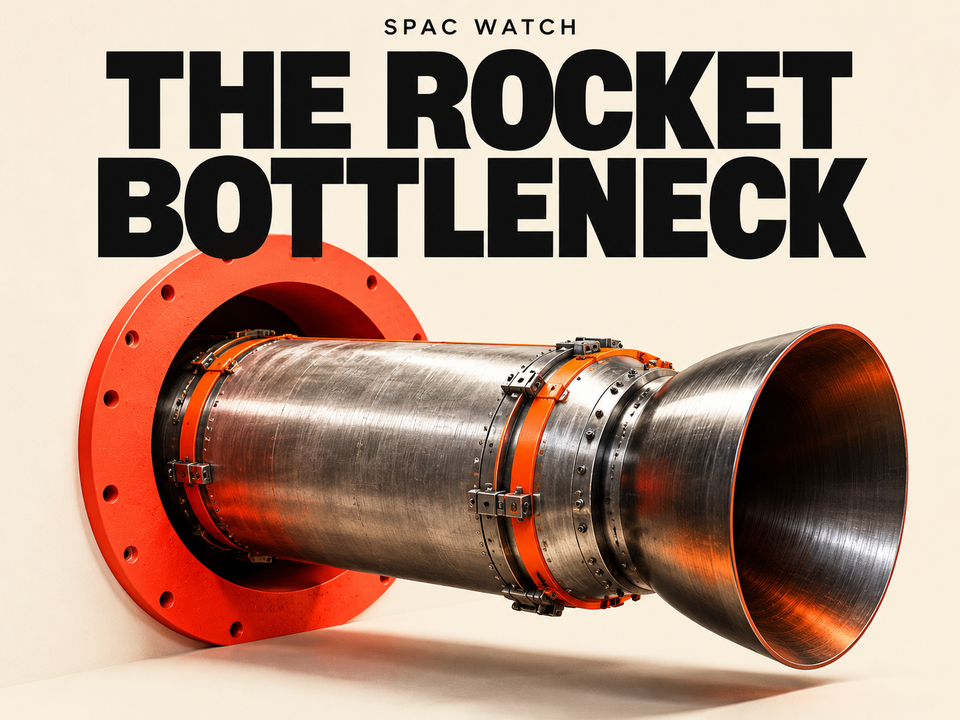
I follow Inflection Point's deals closely, and this one is a defense hardware company, which I do not take lightly. I'm generally anti-war. I'm also an investor, and the conflicts in Ukraine and the Gulf have drained the stockpiles that these companies exist to refill. Whether you want to own that is your decision. The analysis below is mine, based on the SEC filings, and is not investment advice.
Oct 7, 202613 min read
post-SPACs
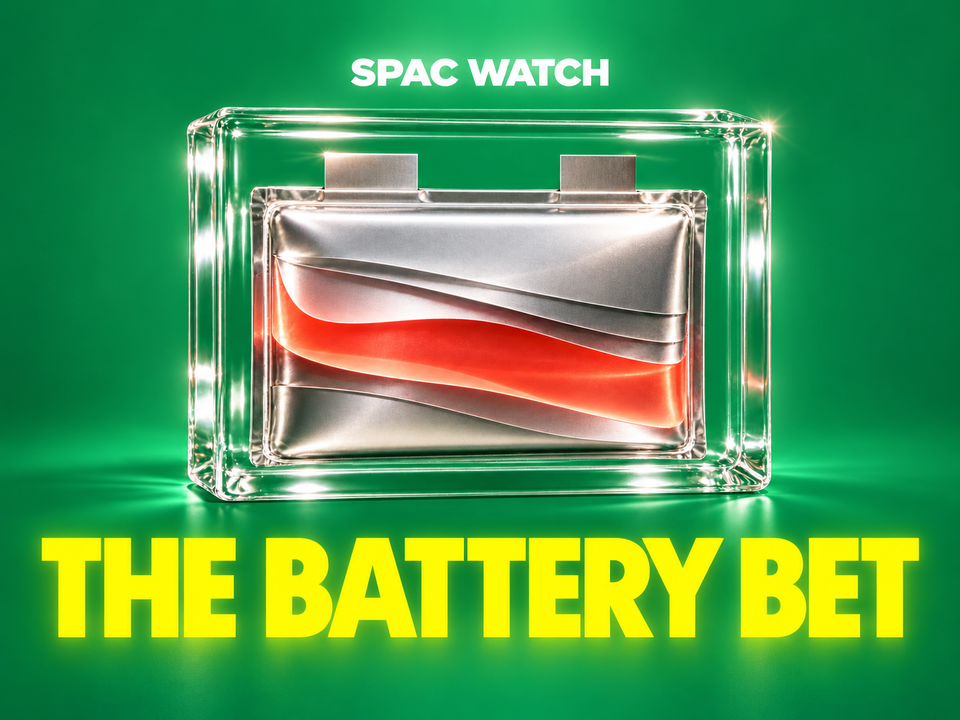
I'm writing about a company that I think is interesting and risky in equal measure. Figures come from Factorial's SEC filings and shareholder letter unless stated. Where a number is my own arithmetic, I say so. This is analysis, not investment advice.
Oct 7, 202612 min read
post-SPACs
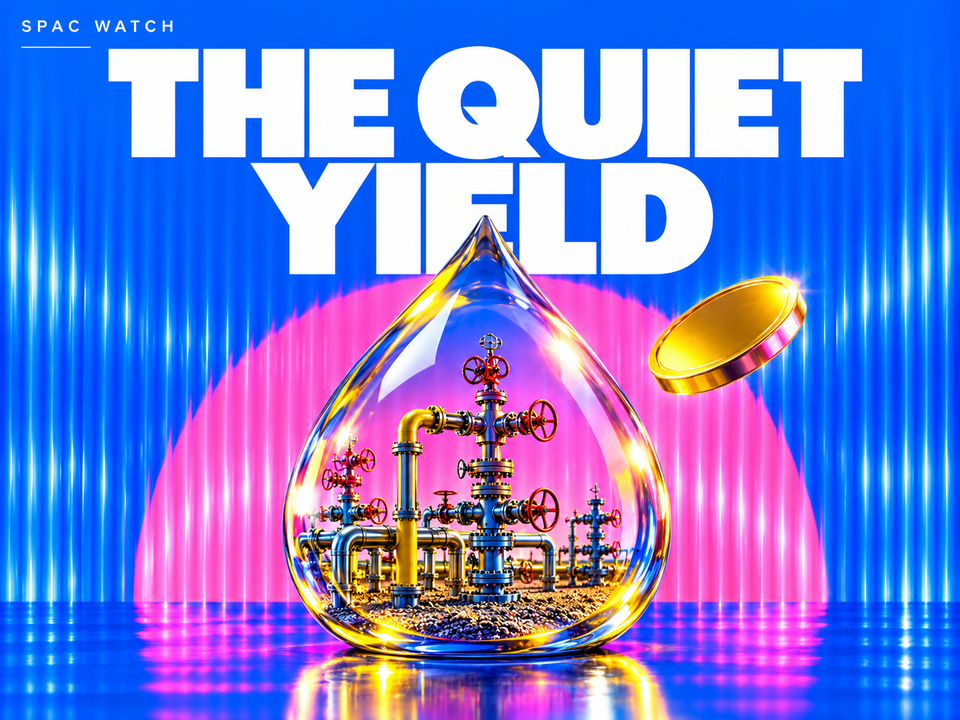
Disclosure: I own 15,300 FTW warrants (strike $11.50). This is my own analysis, not investment advice. Figures come from Presidio's SEC filings. Where a number is my own arithmetic, I say so.
Oct 7, 20268 min read
We’re SPAC enthusiasts who want this industry to be easier to understand. We follow the teams, ask questions about their plans, and share what we learn as deals take shape. If you share that curiosity, join us and follow the next chapter together.